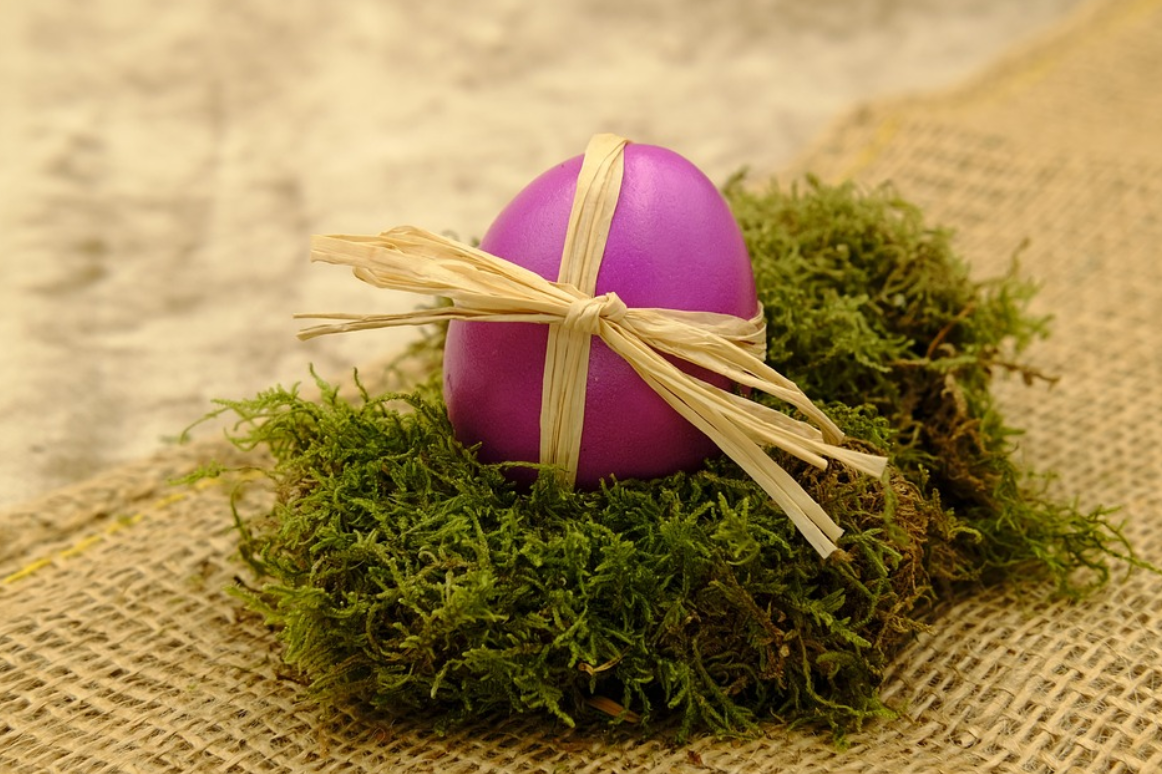
Easter Gifts: Simple Ideas That Make the Day Feel Special
Easter Gifts That Feel Thoughtful Without Being Complicated
Easter gifts do not have to be big or expensive to matter. Thoughtful easter gifts often carry more meaning when they reflect the recipient’s personality and the spirit of the season. What makes them special is the thought behind them. For many people, Easter is a time to slow down, gather with loved ones, and enjoy simple traditions. Giving a gift during this season is more about making someone smile than making a grand statement. It can be something small, useful, sweet, or handmade. The goal is to show care in a way that feels natural and personal.
For Children Who Love Surprises
Children often look forward to Easter because of the excitement that comes with it. The idea of finding hidden treats or waking up to a small surprise creates lasting memories. Gifts for children can include chocolates, small toys, books, colouring sets, or craft kits. Many parents also add stuffed animals shaped like bunnies or chicks. The key is choosing something that matches the child’s interests. A simple puzzle or art set can bring just as much joy as candy. The moment of discovery is usually what makes it magical.
Go Beyond Chocolate
Chocolate is common during Easter, but not everyone wants sweets. Some people prefer practical or lasting gifts. These can include journals, scented candles, cosy socks, small plants, or handmade soaps. These types of gifts feel thoughtful and can be enjoyed long after the holiday ends. For someone who enjoys reading, a new book can be a perfect surprise. For someone who loves cooking, a kitchen tool or recipe notebook can feel meaningful. Choosing something useful shows that you paid attention to what they like.
Celebrate Family Traditions
Many families have traditions during Easter. Some gather for meals, others attend special services, and some spend the day outdoors. Gifts can reflect these traditions. If your family enjoys baking together, you might give themed baking tools or decorating supplies. If outdoor activities are part of the day, you might choose picnic items or simple games that everyone can enjoy. Gifts tied to family traditions feel more connected to the moment and create shared experiences.
For Teenagers Who Want Something Different
Teenagers can be harder to shop for, especially during holidays that are often focused on younger children. Gifts for teens can be simple but thoughtful. Personal care items, small tech accessories, journals, or hobby-related items can work well. A sketchbook for someone who loves drawing or sports gear for someone active can show that you understand their interests. It does not need to be flashy. It just needs to feel chosen with care.
For Adults Who Appreciate Simplicity
Adults often say they do not need gifts, but most still appreciate a kind gesture. Gifts for adults can be subtle and practical. Snacks, speciality tea or coffee, candles, or small home items are common choices. A handwritten note can add meaning to even the simplest gift. Sometimes, the act of giving something small reminds people that they are valued. It does not need to be complicated to feel sincere.
Handmade and Personal
Handmade gifts carry a different kind of meaning. They show time and effort. Gifts made at home can include baked goods, knitted items, painted decorations, or personalised cards. Children often enjoy making crafts to give to parents or grandparents. These simple items may not be perfect, but they often become treasured keepsakes. Handmade gifts create a deeper connection because they are unique and cannot be found anywhere else.
Reflect the Season
Easter often falls during a time when the weather begins to change, and everything feels fresh again. Gifts that reflect the season can feel fitting. Small plants, flower seeds, or garden tools can match the theme of renewal. Light blankets, pastel home decor, or simple table decorations can also bring a seasonal touch. Gifts that connect to the feeling of new beginnings can make the day feel even more meaningful.

For Friends Who Feel Like Family
Friends play an important role in many people’s lives. Giving a small gift to a friend does not have to be formal. A basket with snacks, a candle, or a handwritten note can go a long way. It is less about tradition and more about appreciation. A simple message that says you are thinking of them can turn an ordinary day into something brighter.
Support Relaxation
Life can feel busy, and holidays offer a chance to slow down. Gifts that promote relaxation can be especially appreciated. Bath products, cosy blankets, herbal teas, or journals can help someone unwind. Pairing a small item with a kind note can make it feel even more personal. These gifts say, “Take some time for yourself,” which is something many people need to hear.
Thoughtful and Budget Friendly
Meaningful gifts do not have to cost much. Simple items chosen with care often mean more than expensive ones chosen without thought. A homemade treat wrapped neatly or a handwritten card paired with a favourite snack can feel just right. It is the personal touch that makes it special. People remember how a gift made them feel, not how much it cost.
Make the Day Feel Complete
In the end, gifts add warmth to a day that already carries meaning for many people. Whether it is a sweet treat, a handmade item, or shared time together, the value comes from the thought behind it. When chosen with care, even the simplest present can make the day feel complete and memorable.
Mastering the Art of Portrait Photography: Capture Stunning Portraits with Our Top Tips
Portrait photography is more than simply pointing a camera at someone and clicking the shutter. It is the art of revealing personality, emotion, and character through a single image. Whether you are a beginner eager to improve or an experienced photographer seeking to refine your skills, learning essential techniques can help you capture portraits that truly stand out. This guide explores proven strategies to elevate your portrait photography while ensuring your images are visually compelling and professionally polished.
Understanding the Essence of Portrait Photography
A powerful portrait tells a story. It draws viewers in and allows them to connect with the subject on an emotional level. Achieving this requires a balance of composition, lighting, and human connection. Portraits are not just about technical accuracy; they are about evoking a mood, highlighting individuality, and creating an image that feels authentic. Mastering these aspects is key to producing portraits that leave a lasting impression.
Perfecting Lighting Techniques for Portraits
Lighting is the foundation of great portrait photography. It defines mood, highlights facial features, and adds depth to your images. Natural light, especially during golden hour, produces soft, flattering tones that enhance skin texture and color. Overcast days can also be ideal, providing even, diffused light without harsh shadows.
For those working indoors, studio lighting offers complete control over the final look. Using softboxes, reflectors, and diffusers helps manage light direction and intensity. Side lighting adds drama, backlighting creates a dreamy glow, and Rembrandt lighting enhances facial structure. Experimenting with different lighting setups can transform the mood and style of your portraits.
Choosing the Right Background for Impact
A well-selected background enhances rather than competes with the subject. Minimalist settings with neutral tones help draw focus to facial expressions and body language. Outdoor scenes with soft natural light or textured indoor backdrops can add character without distraction.
Shallow depth of field, achieved with a wide aperture, creates a pleasing blur that separates the subject from the background. This technique is especially useful when working in busy environments, as it ensures the subject remains the clear focal point of the image.
Mastering Composition and Framing
Composition plays a vital role in creating visually engaging portraits. The rule of thirds remains a reliable guide, positioning the subject off-center for balance and visual appeal. Framing the subject at eye level creates a connection, while experimenting with angles, shooting slightly from above or below, can convey different emotions and perspectives.
Negative space, when used thoughtfully, can emphasize the subject and create a modern, artistic feel. Tight crops focus on facial details, while wider frames provide context, telling more of the subject’s story through environment and body language.
Creating a Connection with Your Subject
Authenticity is what sets a great portrait apart from a simple photo. Building rapport with your subject encourages natural expressions and relaxed poses. Start with casual conversation to put them at ease and guide them with gentle direction rather than rigid posing instructions.
Candid moments often produce the most compelling portraits. Capturing genuine laughter, subtle smiles, or thoughtful glances creates images that feel real and emotionally resonant. The stronger the connection between photographer and subject, the more powerful the portrait becomes.
Utilizing Camera Settings for Maximum Detail
Technical precision ensures your portraits are sharp, well-exposed, and rich in detail. Wide apertures such as f/1.8 or f/2.8 create a shallow depth of field, keeping the subject sharp while blurring distractions in the background. Adjusting ISO carefully helps maintain image quality while working in low light, while an appropriate shutter speed prevents motion blur.
Shooting in RAW format is highly recommended, as it preserves maximum image data for post-processing. This allows greater control over color balance, sharpness, and tonal adjustments while maintaining the natural feel of the portrait.
Enhancing Portraits with Post-Processing
Post-processing is where your portrait takes its final form. Adjusting exposure, contrast, and color balance helps refine the image while keeping edits subtle and natural. Over-editing can lead to an artificial look, so preserving skin texture and authentic tones is essential.
Cropping can improve framing, while light retouching can enhance clarity without altering the subject’s appearance. Creative touches like soft filters, vignettes, or black-and-white conversions can add mood and style, further elevating your portrait photography.

Exploring Creative Styles in Portrait Photography
Developing a personal style sets your work apart and creates a recognizable photographic identity. High-key portraits emphasize light, creating soft and airy images, while low-key portraits focus on shadows for a dramatic effect. Lifestyle portraits capture subjects in everyday settings, telling stories through their environment, while editorial portraits showcase creativity and bold compositions.
Experimenting with techniques such as double exposure, creative lighting, or unique color grading can lead to striking results and expand your artistic range.
Tips for Improving Consistency in Portrait Photography
Consistency is essential for building a strong portfolio and developing a signature look. Practice regularly in different settings, lighting conditions, and styles to refine your skills. Analyze your work critically, noting what techniques produce the best results and where improvements can be made.
Studying the work of renowned photographers can inspire, while experimenting with new methods ensures continuous growth. Over time, your portraits will reflect both technical mastery and a distinct creative vision.
Conclusion
Mastering the art of portrait photography requires a balance of technical expertise, creative vision, and human connection. From perfecting lighting and composition to refining post-processing techniques, every element contributes to the creation of powerful, memorable images. By practicing consistently and exploring new approaches, you can capture portraits that go beyond simple portraits that tell stories, evoke emotions, and leave a lasting impact.